In this entry, we are going to use the verb as which means that we are returning the gun, as much as possible, to the “as it will HAVE BEEN issued” state.
Everything started quite some months back (Pre-CoViD) when I was approached by a fellow FT present shooter asking what was the potential within using a Walther LGV in order to shoot FT.
Since a good LGV is my “back-up” gun for serious FEET, I answered that a correctly setup rifle could be precise, precise and consistent sufficient to place well in a competitors.
After that first conversation, there is no more talk and I thought that all the whole idea had been overlooked.
BUT , in the last North Carolina Classsic, I met with the buddy in question and after the first day associated with competition, he declared: “I’m done, take the gun plus make it what it can be”.
So , I came back with additional guns than I got! LOL!
I will not get into detail about the tear down as well as the way the gun functions, there are other entries that handle that:
https://www.ctcustomairguns.com/hectors-airgun-blog/a-yankee-tune-for-the-walther-lgu
https://www.ctcustomairguns.com/hectors-airgun-blog/a-yankee-tune-for-the-walther-lgu-second-version
Because the guns are identical, aside from the cocking mechanism, what exactly is said of one gun pertains to both.
What was the difference now as regards those first endeavors into the LGU/LGV realm is that on this occasion I had NO IDEA from the provenance of the gun. It had been an LGV Master. And am sure it was bought in the united states, my friend purchased it “from a gentleman in PA”, but that still will not justify what happened.
So , why don’t get into the project.
My friend is a good player with the dice. He is, literally, Championship materials, so if he says the weapon is inconsistent, I often believe him, but sporadic by how much was nevertheless a question, so… the first thing has been to put the gun with the Chrono.
Tests with JSB’s 8. forty-four grs. / 4. fifty two mms, gave horrible outcomes, in a 20 shot thread the ES was twenty-seven fps for a Low associated with 735 and a High of 762, for an average of 750 ± 7 fps meant for 10. 6 ft-lbs
CLEARLY something had been wrong.
On disassembly, I discovered that the previous owner got applied the “Yankee Tune” principles to the “Tee”. However the gun simply refused in order to yield the energy promised as well as some drastic spacing ahead and aft, did not supply the desired results.


The close off wasn’t either an OE one, being blue, thinner and shorter than the authentic:


Still, the job was minimize and so, I replaced most parts for OEM components (as wished by the owner):

Observant visitors will note that the OE trigger has been replaced! Indeed that is one of Eric Pianori’s triggers:
https://www.ctcustomairguns.com/hectors-airgun-blog/new-super-custom-trigger-for-the-walther-lgulgv
and it is fantastically adjustable, consistent and dependable.
I thought that everything choose to go “just peachy” till the particular chrono test:
With the exact same JSB’s, the gun clocked 741 ± 4 frames per second
WHAAATTT?
Uhh-Ohh! I guess that will, by now, I should KNOW that in case a gun gets to me, for the reason that others have not found a method to make it work as the owner/customer desires, or as the gun is definitely expected to perform.
Reading more than some of my notes, We remembered that at one particular point I had refused to improve the TP of an LGV, preferring to use a much more complex solution:
https://www.ctcustomairguns.com/hectors-airgun-blog/the-walther-lgv-pushing-the-power-limits
But the proprietor, in THIS case wanted to have the weapon “blue-printed” and nothing is since non-OEM as a custom piston.
It experienced also happened that I experienced HAD to open a TP in some other break-barrels and am had made the tools to accomplish properly, so this time about, I did have the wherewithal in order to tackle the TP enhancement.
In brief: you need carbide exercises to drill out the particular TP to the dimension a person need/want, and also a way to take away the drilling burr from the INSIDE from the compression chamber that comes from drilling from the outside in.
Carbide drills will reduce a VERY precise and clean hole in steel with slow speeds with mutton tallow lubrication, and that offers you control of the process, it also creates little burr on the other side from the drill, important when the “other side” is, in reality, the interior of the compression chamber; exactly where another surprise awaited all of us.


This particular gun will never achieve correct “full power” because there is the “lost volume” that we can not get rid of. A lost quantity that even the excellent OE LGV “power pulse” design seal cannot remediate.
It could be fixed using a custom piston, but then that will not be a “blue-printed” weapon.
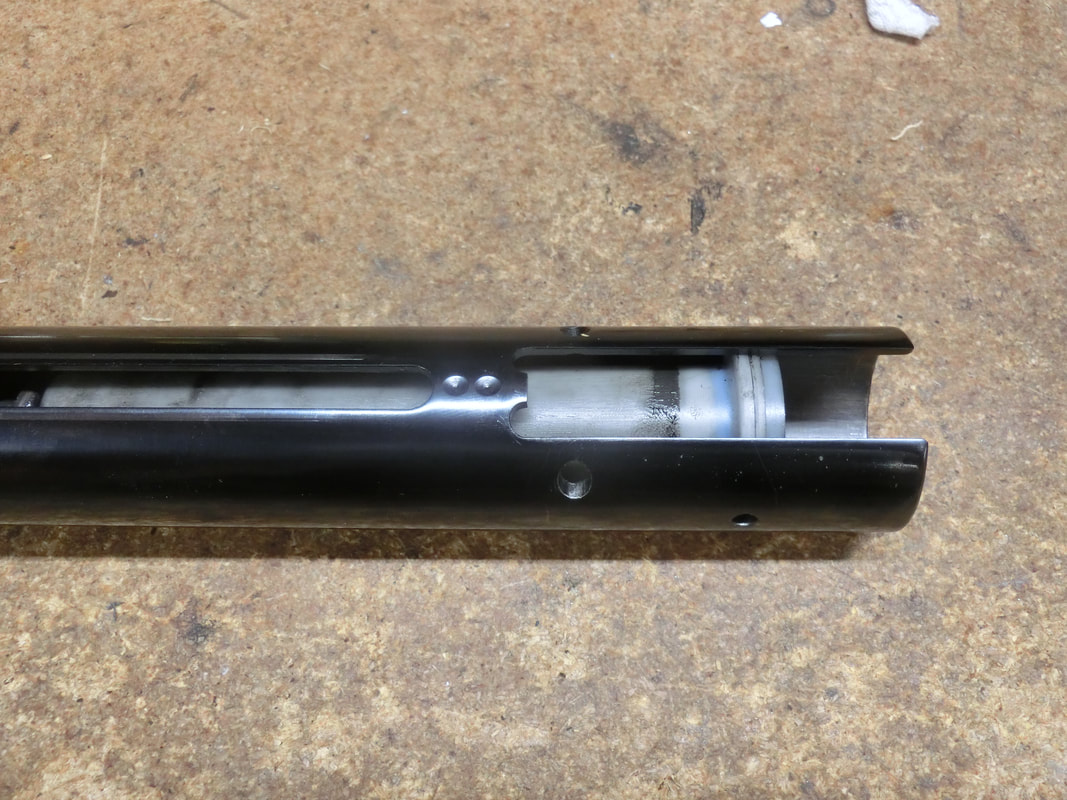
The other thing you can see within this picture (or better yet, you can not see), is the normal burr from drilling the TP out from the OTHER side.
A larger drill has been applied with the extension demonstrated above and the burr taken out.
Some have got argued that the inside of the TP’s should be “venturi’ed”, IMHO, which is counterproductive because when surroundings flows at the speed from which it flows inside these types of machines, a slightly violent flow is actually a better “lubricated” flow; a venturi type of entry would tend to decrease turbulences, which is something all of us do not want.
So , we only eliminated the burr and ensured that nothing was generally there to damage the close off in the second (or third) landing of the piston.
Here is a detailed go through the TP and surrounding region:

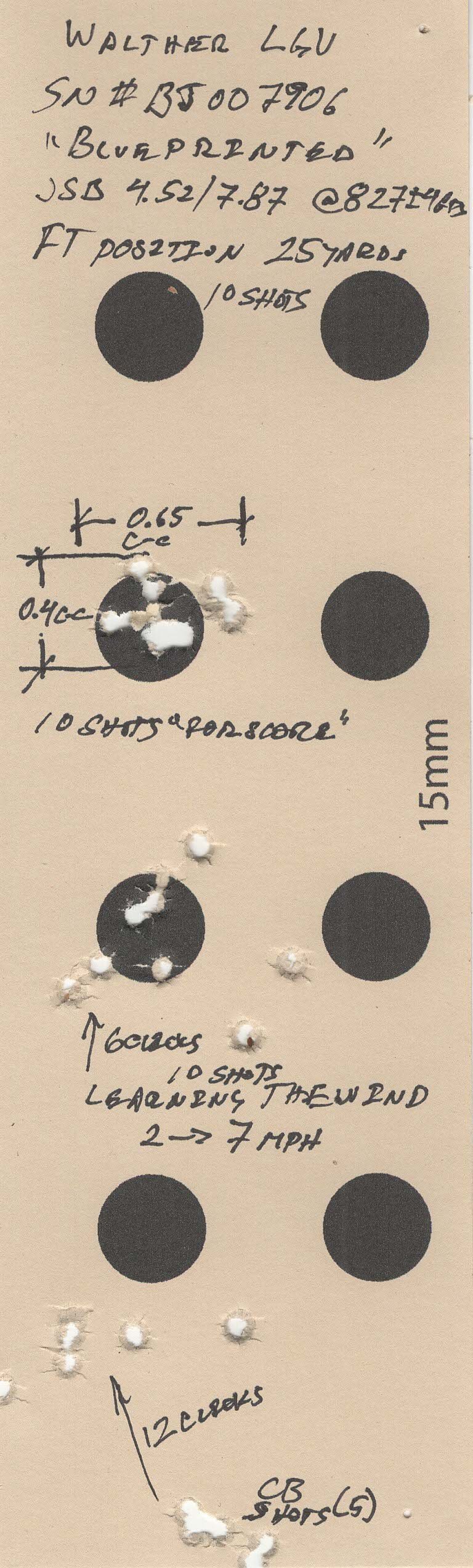
The barrel or clip in this rifle is easily among the best I have seen/slugged in any contemporary Walther, and it seems to like the lighter spectrum of pellets (7. 9 grs), capturing them at 827 ± 4 fps for twelve ft-lbs on the dot (and the innards are still within the “running in” phase). Naturally, this rifle will negotiate in the 835-840 fps typical and the extreme spread within MV will be reduced in order to single digit.
This rifle is meant to shoot AAFTA design Hunter Division, so just a little over 12 ft-lbs is not any problem at all.
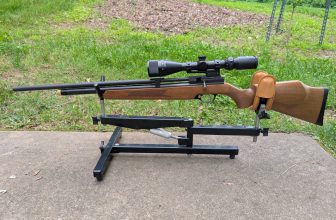
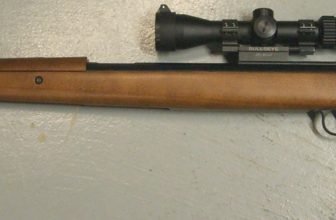
To test this gun We installed a SIGHTRON 4-12X40 AO scope that has proved to be VERY reliable in an Accurized ZR mount:


As ALMOST ALL Walthers that are made to operate the “pop gun” area, it is a bit “ringy”. Issue bothers the user the solution is incredibly simple: just add a REALLY LIGHT coating of tar to the spring. To ME, the particular thermal aspects of how tar behaves between a cool fifty ° F morning as well as a scorching 90 ° Farreneheit noon are not worth it however to each his own.
Presently there is more to read about the particular LGV’s in this blog, a few of the entries have been superseded simply by newer materials and elements, but I hope the readers will discover them interesting:
https://www.ctcustomairguns.com/hectors-airgun-blog/swapping-the-walther-lgus-trigger
https://www.ctcustomairguns.com/hectors-airgun-blog/the-walther-lgv-a-second-look
https://www.ctcustomairguns.com/hectors-airgun-blog/the-gunsmiths-tune-part-14-full-power-walther-lgv
https://www.ctcustomairguns.com/hectors-airgun-blog/the-gunsmiths-tune-part-24-12-ft-lbs-walther-lgv
In the meantime, take care, maintain well and shoot directly!
HM © May 23, 2022